

How to Move Heavy Furniture: Tips, Tools, and Techniques
Moving heavy furniture is one of the most challenging aspects of relocating. Whether you’re upgrading to a new home or simply rearranging your space, dealing with bulky and awkward pieces can be overwhelming. Fortunately, with the right equipment, careful planning, and professional assistance, moving heavy furniture can be a lot easier and safer for both you and your belongings.
This guide will walk you through the best methods and equipment for moving heavy furniture, including how to safely move pieces upstairs, how to use sliders and dollies, and how to make your move as smooth as possible. IF you still need help with your relocation around Fort Worth, do count on our Fort Worth movers to help you move heavy furniture!
Essential Equipment for Moving Heavy Furniture
The right tools can make all the difference when it comes to moving heavy furniture – or even when moving heavy safes. From box Here are some of the most popular and effective pieces of equipment that will help you move large items with ease:
1. Moving Dollies
A heavy-duty furniture moving dolly is one of the most essential tools for transporting heavy furniture. These flat, wheeled platforms allow you to slide furniture across floors, making it much easier to move large pieces like couches, dressers, and entertainment centers. If you’re unsure where to find one, check out moving supplies to get the equipment you need for a smooth move.
2. Furniture Sliders
If you need to move heavy furniture across hard floors or carpet, moving sliders can save your back and your floors. These simple tools go under each corner of the furniture piece and allow you to glide it into place effortlessly. Sliders come in a variety of materials to cater to different flooring types, ensuring optimal performance.
3. Moving Pads
Protecting your furniture and floors is essential, especially when navigating tight corners or spaces. Moving pads for heavy furniture provide a cushioned barrier that prevents scratches, dings, and damage during the move. They are a must-have when moving furniture in and out of your home, keeping everything in pristine condition.
4. Moving Wheels
Moving wheels for heavy furniture are a practical solution for those who need to move bulky items with minimal effort. These wheels can be attached to the legs or corners of furniture, making it easier to move heavy pieces from one room to another. Though not permanent, they’re ideal for temporary moves or quick rearrangements.
5. Furniture Lifting Straps
For particularly large or heavy furniture, lifting straps can help you move heavy items more efficiently. These ergonomic straps allow you and a helper to redistribute the weight and lift more easily, especially when navigating stairs or tricky corners.

How to Move Heavy Furniture Upstairs (or Downstairs)
Moving heavy furniture upstairs may seem like a daunting task, but with the right technique, it can be done safely and efficiently. Here are some key tips for moving heavy furniture upstairs:
1. Use Proper Lifting Techniques
Always bend your knees, not your back. Keeping your spine straight and your core engaged will prevent injury while lifting. This technique will make a world of difference, especially when lifting heavy pieces.
2. Get a Helper
Moving heavy furniture upstairs requires at least two people. One person should guide and balance the piece while the other lifts. Teamwork is essential for safely moving large items. If you have additional pieces of furniture that fit the boxes, consider using box rentals.
3. Consider Furniture Lifting Straps
If you’re dealing with particularly heavy or awkward items, furniture lifting straps can help redistribute weight and give you more leverage, making it easier to lift the piece upstairs.
4. Use a Moving Dolly for Stairs
If your staircase allows it, using a heavy-duty furniture moving dolly with stair-climbing wheels can make moving heavy furniture up and down stairs a breeze.
Moving heavy furniture down stairs is similar, but extra caution is needed to control the descent. Have one person in front guiding the move, and another behind to help control the descent and prevent accidents.
How to Protect Your Walls and Floors While Moving Heavy Furniture
Accidentally scratching your floors or scuffing your walls is one of the most common issues when moving furniture. Here are some tips to avoid damage:
1. Use Moving Pads and Sliders
As previously mentioned, moving pads and sliders are essential for protecting your floors and walls. They allow you to move heavy items without leaving any marks or scratches behind.
2. Clear the Path
Before moving any furniture, make sure the path is clear of obstacles, such as small furniture pieces, rugs, or anything that could obstruct the movement. A clear path will help prevent accidents and make the process smoother.
3. Move Slowly and Steadily
Don’t rush the process. Moving furniture too quickly can lead to accidents or damage. Take your time and carefully maneuver each piece to ensure a safe and successful move.

Consider Professional Help for a Stress-Free Move
While these tips and tools can make moving heavy furniture easier, some people prefer the peace of mind that comes with hiring professionals. If you’re looking for a moving company in Fort Worth, TX to handle the heavy lifting, look no further. Professional movers have the expertise and equipment to ensure your move is completed efficiently and safely.
Tips for Moving Heavy Furniture with Minimal Stress
Moving doesn’t have to be overwhelming. By following a few simple tips, you can reduce the stress of moving heavy furniture:
1. Plan Ahead
Measure doorways, hallways, and staircases to ensure that furniture can fit through. If a piece is too large, you may need to disassemble it. Planning ahead will save you time and frustration.
2. Take Your Time
Rushing through the process can lead to injury or damage. Move slowly and steadily to ensure a smooth and safe move.
3. Use the Right Tools
As mentioned throughout this article, the right tools—like dollies, sliders, and lifting straps—can make a significant difference in how easily and safely you move heavy furniture.
4. Ask for Help
Don’t hesitate to ask friends or hire professional movers for assistance. For particularly heavy or awkward furniture, it’s best to have extra hands on deck.
Conclusion
Moving heavy furniture doesn’t have to be an overwhelming task. By using the right tools and techniques, you can make the process safer and easier. Whether you’re using a heavy-duty furniture moving dolly, furniture sliders, or lifting straps, these tools can make all the difference. And if you want to avoid the hassle altogether, consider hiring a professional moving service.
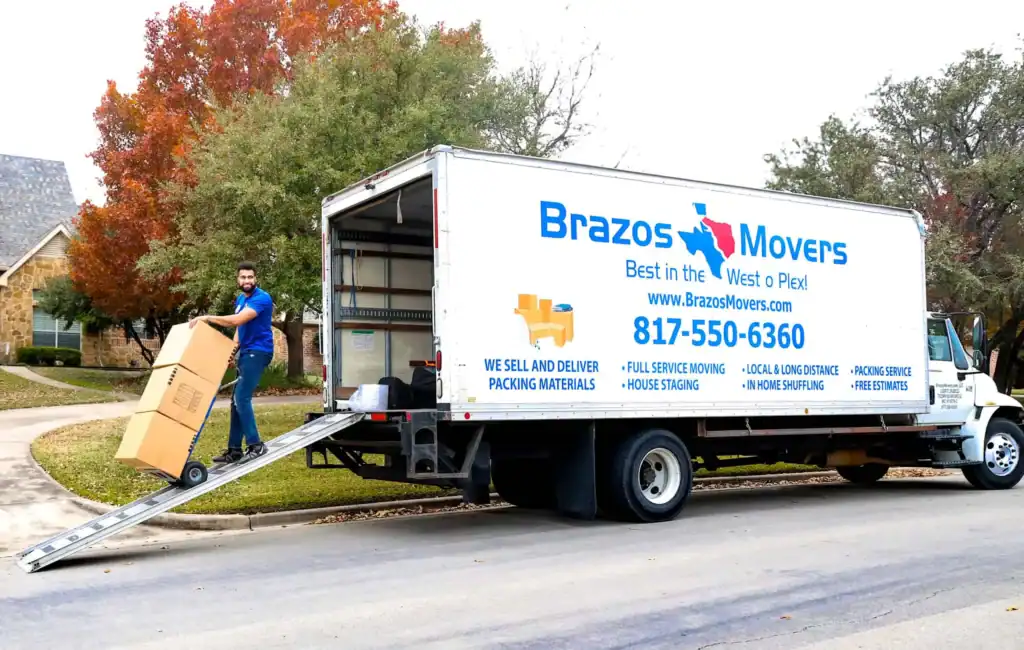
If you’re planning a move to Fort Worth, our Fort Worth movers can handle the heavy lifting so you can settle in faster.
Frequently Asked Questions
1. What equipment is best for moving heavy furniture?
The best equipment includes a heavy-duty furniture moving dolly, furniture sliders, moving pads, and lifting straps. These tools make the process safer and more efficient.
2. Can I move heavy furniture by myself?
While it’s possible to move heavy furniture alone, it’s safer to have a helper, especially when navigating stairs or tight spaces. Using tools like moving wheels or a dolly can also help.
3. How do I move heavy furniture upstairs safely?
Use proper lifting techniques, and consider using lifting straps. It’s crucial to have a helper to guide the piece and lift from the right positions.
4. How do I protect my floors and walls while moving heavy furniture?
Use moving pads and sliders to protect surfaces. Additionally, clear the path of any obstacles and move slowly to prevent scuff marks or damage.
5. How do I move heavy furniture down stairs?
To safely move furniture down stairs, make sure you have a helper at the top and bottom to guide and control the descent. Always use proper lifting techniques.